
Pink Ball Day Night Tests, And Why The Ball Behaves Differently
More lacquer, a black seam and a dye that sits on the surface. What that does to swing, to spin, and to the twilight session that decides most of these matches.
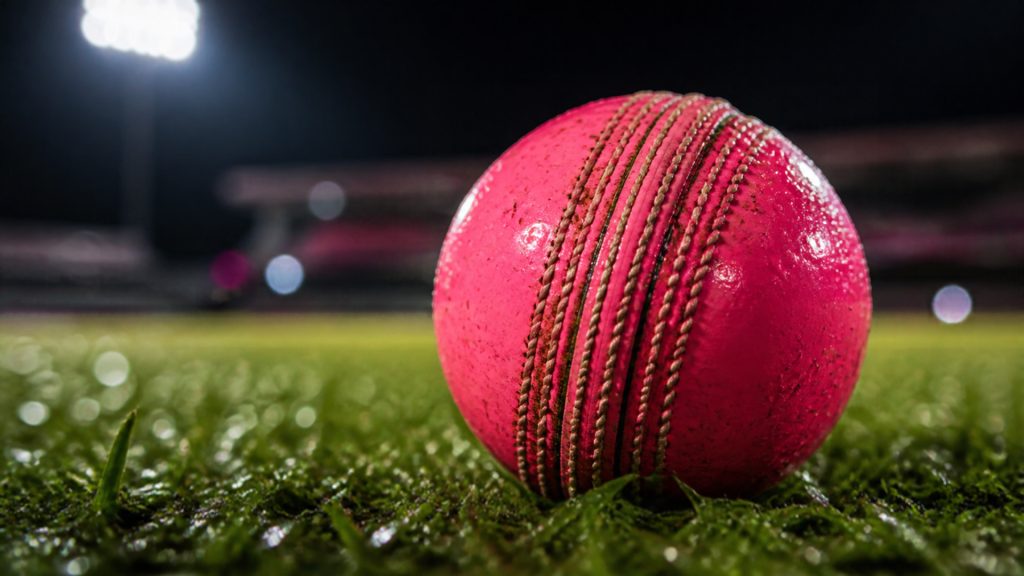
A pink ball exists for one reason. A red ball disappears under lights and a white ball does not last eighty overs, so a Test played into the evening needed something that does both jobs.
Why Pink And Not Something Else
Orange and yellow were both tried and both failed against the advertising boards and the crowd. Pink sits far enough from the colours around a cricket ground to stay visible, and it holds up on television in a way the alternatives did not.
How It Is Built Differently
- More lacquer than a red ball, to keep the colour visible for longer. That extra coating is why the shine lasts and the ball swings later into an innings.
- A black seam on the Kookaburra, because white thread on a pink ball is almost invisible and a dyed seam would fade.
- The dye sits under the lacquer rather than in the leather, so scuffing shows up faster and in patches.
What It Does On The Field
The extra lacquer keeps the ball hard and shiny for longer, so seam movement continues well past the point at which a red ball has gone soft. Reverse swing, which depends on one side roughing up, arrives later and sometimes not at all.
Spinners get less out of it for the same reason. A ball with that much coating grips the surface less, and finger spinners in particular report that the pink ball skids on rather than biting.
The Twilight Hour
The session that decides most day night Tests is the one where natural light is going and the floodlights have not taken over. Sighting is at its worst, the ball often moves more as the temperature drops, and batting averages in that period sit clearly below the rest of the day.
Captains plan around it. Winning the toss and batting is a different decision when the second new ball is due at dusk, and a side three down at the interval before twilight is in more trouble than the scorecard suggests.
Where It Started
| Detail | Fact |
|---|---|
| First day night Test | Australia v New Zealand, Adelaide, November 2015 |
| Ball used | Kookaburra pink, black seam |
| India’s first | v Bangladesh, Eden Gardens, November 2019 |
| Usual pattern | Most day night Tests finish inside four days |
The short matches are the point of contention. Supporters say a result in four days is better television than a draw in five. Batters say a ball that behaves like a new ball for sixty overs is not a fair test. Both positions have survived a decade of day night cricket without either side giving ground.
How We Keep This Page Right
Laws change at the start of a season and records change on a Tuesday afternoon with no warning. Each page here carries the date it was last read against the current rulebook, and we correct rather than quietly rewrite. If something on this page is out of date, the address in the footer reaches a person.
Also On The Technology Desk
- How Hawk Eye, Snicko And Hot Spot Decide A Review16 July 2026
- Super Over Rules Explained, From Tie To Result18 February 2026
- Highest Individual Score In Test Cricket: The Full Top Ten9 April 2026
- Powerplay Rules In One Day Cricket, Over By Over21 June 2026