
Powerplay Rules In One Day Cricket, Over By Over
Two fielders out, then four, then five. The three blocks that shape a fifty over innings, what each one is actually for, and what the rule looked like before 2015.
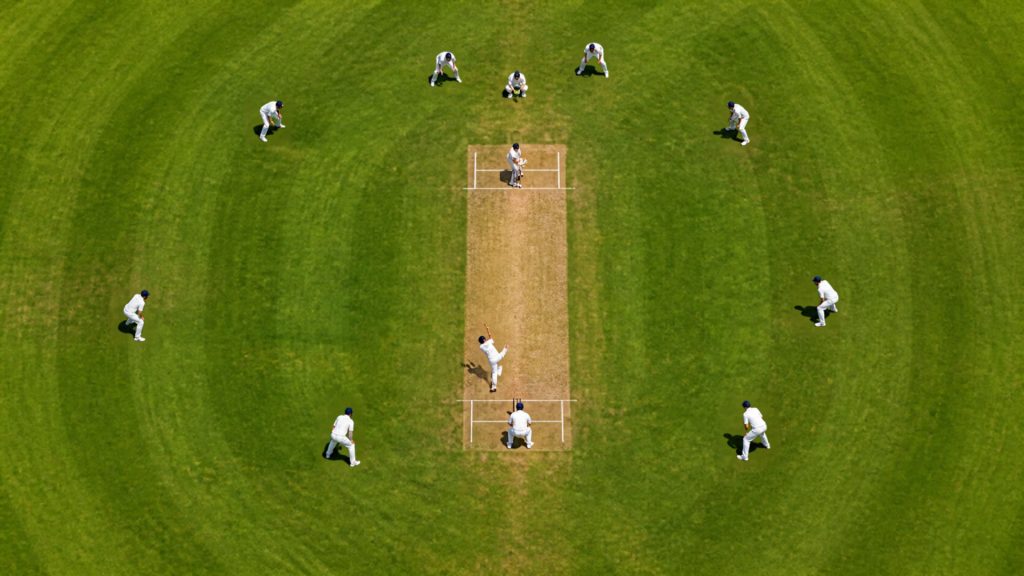
A one day international is split into three blocks of fielding restriction, and knowing which block you are in explains most of what a captain does with the field.
The Three Blocks
| Block | Overs | Fielders Allowed Outside The Circle |
|---|---|---|
| Powerplay 1 | 1 to 10 | 2 |
| Powerplay 2 | 11 to 40 | 4 |
| Powerplay 3 | 41 to 50 | 5 |
Two further restrictions sit on top. A maximum of five fielders may be on the leg side at any point in the innings, and in the first ten overs there must be two fielders in catching positions unless the umpire agrees otherwise.
Powerplay 1, Overs One To Ten
With only two fielders out, a top order that survives this block usually profits from it. The new ball moves, the field is up, and a quiet start costs less than it appears to because the run rate in these ten overs is rarely the one that decides the match.
Powerplay 2, Overs Eleven To Forty
Thirty overs with four fielders out is the longest and least glamorous block. Spinners bowl most of their overs here, singles are available almost on demand, and matches are quietly won by sides that keep the rate above five without losing a third wicket.
Powerplay 3, Overs Forty One To Fifty
Five fielders out, two inside, and a scoring pattern that depends almost entirely on wickets in hand. A side with seven wickets standing at the forty over mark scores far more in this block than one with four, which is the single clearest relationship in one day batting.
What The Rule Was Before
Between 2008 and 2015 there was a batting powerplay, a block of five overs the batting side could call at a time of its choosing. It produced a decade of tactical argument and very little consistent benefit. It was dropped in July 2015 along with the old restriction that allowed only four fielders out in the final overs, which went up to five.
Two full one day internationals bowled under the old and new rules are not really comparable for that reason, and any comparison of death over economy rates across the 2015 line should be read with it in mind.
How We Keep This Page Right
Laws change at the start of a season and records change on a Tuesday afternoon with no warning. Each page here carries the date it was last read against the current rulebook, and we correct rather than quietly rewrite. If something on this page is out of date, the address in the footer reaches a person.
Also On The Formats Desk
- Super Over Rules Explained, From Tie To Result18 February 2026
- How Hawk Eye, Snicko And Hot Spot Decide A Review16 July 2026
- What Is A Mankad In Cricket And When Is It Allowed12 March 2026
- Biggest Cricket Stadiums In The World By Capacity13 August 2026